Will shares how his desire to reach unreached people groups led him toward international missions and eventually to Northwest China, where he and his family lived for a year, taught English, and served within a different culture. That experience eventually helped him recognize that there are cultural and gospel barriers within the United States as well.

 Apple Podcasts

 Spotify

 RSS Feed

 iHeartRadio
SUMMARY/INTRO:
Pastor Will wanted to plant a church for the poverty‑impacted—on purpose—and that’s the heartbeat of what he shares here. He talks how he met Jesus at 14 (yes, after throwing away burned rap CDs and actually reading a pocket New Testament), how he accidentally started Bible studies, and how a call to missions took them from seminary hopes to teaching English in northwest China with a four‑month‑old and four suitcases. We talk incarnational ministry—living in the neighborhood, being neighbors, and why planting a church is more like being a primary care physician than a one‑off nonprofit specialist. Pastor Will lays out the hard realities the church has faced (transiency, the tyranny of the urgent, language and logistical nightmares in China) and the unexpected blessings—people discovering their gifts, baptisms, and a growing discipleship family. Ben and Will also wrestle with how churches and para-church organizations can actually partner well, and we close the conversation the way we try to live it: honestly, neighborly, and with prayer.
——————————
SHOW NOTES:
What does it look like to intentionally pastor and plant a church among people impacted by poverty?
In this episode of The Prodigal Journey, Ben sits down with Pastor Will of Reconcile Community Church to hear his story—from coming to faith as a teenager in Greenville, South Carolina, to discovering a calling to share the gospel, pursuing missions, and eventually serving among poverty-impacted communities.
Will shares how his desire to reach unreached people groups led him toward international missions and eventually to Northwest China, where he and his family lived for a year, taught English, and served within a different culture. That experience eventually helped him recognize that there are cultural and gospel barriers within the United States as well.
The conversation then turns toward the intentional decision to plant Reconcile Community Church in a low-income area of Greenville County. Will explains why he didn’t want people experiencing poverty to become a church’s “side project,” but instead wanted to pursue them as neighbors and fellow members of the community.
Ben and Will discuss the importance of incarnational ministry—living among the people you hope to reach—and why ministry becomes different when a church sees the struggles of its neighbors as shared struggles rather than someone else’s problems.
They also explore the relationship between local churches and nonprofits, using a medical-system analogy to explain how specialized organizations can meet specific needs while the local church provides an ongoing context for relationship, community, and discipleship.
Finally, Will talks honestly about some of the challenges of ministry in a poverty-impacted community, including housing instability, transience, urgent needs, and the difficulty of building long-term relationships. He also shares some of the greatest blessings: seeing people discover their God-given gifts, grow in confidence, become disciples, and make disciples of others.
This is a conversation about missions, poverty, church planting, discipleship, community, and what it means for the church to genuinely live among and love the people it is trying to reach.
TAKEAWAYS:
- Will’s journey to faith began with an overwhelming realization that God wanted not only to forgive him but to have a relationship with him.
- His desire to share the gospel with others began almost immediately after coming to faith.
- Reading Acts helped shape his understanding of evangelism, prayer, and ministry.
- His early interest in missions eventually led him to pursue ministry among unreached people groups.
- Will and his wife spent a year in Northwest China teaching English and seeking to minister cross-culturally.
- His experience overseas helped him recognize that cultural barriers to the gospel also exist within American communities.
- Church planting in a poverty-impacted community requires more than simply putting a church building or program in the neighborhood.
- Incarnational ministry means living among the people you hope to reach and sharing in their community and struggles.
- Will wanted Reconcile to intentionally pursue people experiencing poverty rather than treating them as a side project.
- The local church and specialized nonprofits can serve different but complementary roles in a community.
- Specialized organizations can address specific needs, while the local church provides an ongoing context for relationship and discipleship.
- Ministry becomes relational when people are viewed as brothers and sisters rather than projects or customers.
- Transience and the “tyranny of the urgent” can make long-term discipleship relationships difficult in poverty-impacted communities.
- One of the greatest blessings of ministry is watching people discover their God-given gifts, grow in confidence, and make disciples of others.
CONNECT WITH RECONCILE:
Reconcile Community Church - Website
Reconcile Stories Podcast - YouTube
——————————
CHAPTERS:
00:00 — Why Pastor Will Wanted to Reach the Poverty-Impacted
02:00 — Will’s Story: Coming to Faith as a Teenager
06:23 — From Evangelism to a Calling to Ministry
10:54 — Discovering a Heart for Unreached People Groups
13:30 — Missions, Business as Mission & Northwest China
19:19 — Moving to China With No Plan to Return
22:25 — Learning Cultural Barriers Exist Close to Home
25:14 — Returning Home & Wrestling With Failure
27:33 — Planting a Church in a Low-Income Community
30:49 — Why Reconcile Was Planted “On Purpose”
35:08 — Incarnational Ministry: Living Among the People
40:57 — The Local Church & Parachurch Organizations
42:45 — Church, Nonprofits & the “Primary Care” Analogy
48:53 — The Challenges of Poverty-Impacted Communities
52:39 — The Blessing of Discipleship & Discovering Gifts
55:43 — What Reconcile Has Taught Us About Ministry
——————————
Thank you for supporting conversations about Faith. Struggle. Becoming.
If this conversation encouraged you, you can support the podcast here:
——————————
Affiliate Links:
I host my podcast with Captivate, the world's only growth-oriented podcast host™ - you can too, and get your first 7-days on me! Use my affiliate link below to get your free trial and it helps the podcast.
00:00 - Why Pastor Will Wanted to Reach the Poverty-Impacted
02:00 - Will’s Story: Coming to Faith as a Teenager
06:23 - From Evangelism to a Calling to Ministry
10:54 - Discovering a Heart for Unreached People Groups
13:30 - Missions, Business as Mission & Northwest China
19:19 - Moving to China With No Plan to Return
22:25 - Learning Cultural Barriers Exist Close to Home
25:14 - Returning Home & Wrestling With Failure
27:33 - Planting a Church in a Low-Income Community
30:49 - Why Reconcile Was Planted “On Purpose”
35:08 - Incarnational Ministry: Living Among the People
40:57 - The Local Church & Parachurch Organizations
42:45 - Church, Nonprofits & the “Primary Care” Analogy
48:53 - The Challenges of Poverty-Impacted Communities
52:39 - The Blessing of Discipleship & Discovering Gifts
55:43 - What Reconcile Has Taught Us About Ministry
Speaker A
We wanted to plant a church for the poverty impacted.
Speaker A
We wanted to pursue them.
Speaker A
We didn't want them to be.
Speaker A
We didn't want that group of people to be like a side project.
Speaker A
Like in America, an unreached people group is poverty impacted peoples.
Speaker A
You'll see a lot of church growth in America.
Speaker A
It almost never is.
Speaker A
Among those who are facing generational poverty, churches are decreasing the fastest among poverty and impacted communities and those who deal with generational poverty, which didn't make any sense to me because Jesus says my gospel is good news to the poor.
Speaker B
Welcome to another episode of the Prodigal Journey.
Speaker B
I am joined today by Pastor Will, who is the pastor at our church.
Speaker B
Welcome, Pastor Will.
Speaker A
Glad to be here.
Speaker B
How are you?
Speaker A
I'm.
Speaker A
I'm doing well.
Speaker B
Good.
Speaker A
Yeah, doing well, by God's grace.
Speaker B
Nice.
Speaker B
So we.
Speaker B
I've been trying to get this scheduled for a while.
Speaker B
We've just been so busy.
Speaker B
But yeah, just wanted to kind of talk to you a little bit about your story, how you met Jesus and came to be a follower of Jesus.
Speaker B
And then we can jump into a little bit on a couple topics that I know you want to talk about.
Speaker B
Sure.
Speaker B
So let's start at that point in the beginning, like, how did you come to know Jesus?
Speaker A
Yeah.
Speaker A
So I was born and raised here in Greenville, and my parents got divorced when I was three.
Speaker A
We went to church up until I was about 7ish.
Speaker A
My sister says I was really into it.
Speaker A
I don't remember much about church other than wanting snacks as the preacher was preaching.
Speaker A
But anyway, there's always a Bible around.
Speaker A
And I guess if you would have asked me, I would have said I was a Christian.
Speaker A
But, you know, there's no fruit or anything like that.
Speaker A
And so my sister, who's 10 years older than me, at some time in her college journey, she met the Lord, like, for real, started walking with the Lord.
Speaker A
And so she started trying to encourage me to do so.
Speaker A
And to be honest, I was, like, really annoyed whenever she would bring that up.
Speaker A
And one of the things she would do is she would send Me Christian rap CDs, which I thought were very corny.
Speaker A
I wouldn't listen to them.
Speaker A
But out of respect for her, I didn't throw them away either.
Speaker A
And so, yeah, I just wasn't interested.
Speaker A
I really was interested in popularity.
Speaker A
I was interested in relevancy.
Speaker A
Really concerned about how my peers viewed me.
Speaker A
There was one day, however, when I was 14, I was sitting in my room and I don't actually remember what I was doing.
Speaker A
Like, I wasn't I don't.
Speaker A
Didn't have a TV in there, wasn't reading nothing.
Speaker A
I was just sitting there, and I had just this overwhelming feeling that God loved me.
Speaker A
Like, it just hit me.
Speaker A
Like, I felt it.
Speaker A
And in my feeling that I thought, I need to let him know that I know.
Speaker A
Like, I need.
Speaker A
I need to respond in some way.
Speaker A
So this is back in the day when you used to burn CDs.
Speaker A
And so I had a lot of gangster rap, a lot of.
Speaker A
A lot of stuff that was not nice.
Speaker A
And I also had magazines that were not good.
Speaker A
And I threw away my burned CDs.
Speaker A
I threw away my magazines, and I got a hold of a pocket New Testament, and I began to read it into the early hours of the morning.
Speaker A
For weeks, I was sitting at school reading it, reading at night, just reading it.
Speaker A
And the verse that really jumped out to me was John 17:3, which is eternal life, is to know the one and only true God and Jesus Christ, whom he sent.
Speaker A
And the reason that stuck out to me so, so intensely was I was familiar with the idea that God wanted to forgive people.
Speaker A
But it stunned me that he wanted to have a relationship with me because I knew that I was sinful.
Speaker A
I knew that was.
Speaker A
I did not feel worthy of a relationship with God.
Speaker A
And it just.
Speaker A
Yeah, I was like, not only is he forgiving me, but he wants to know me.
Speaker B
Yeah.
Speaker A
And that.
Speaker A
Just that kind of.
Speaker A
That.
Speaker A
That rocked me.
Speaker A
You know what I'm saying?
Speaker A
And so I don't know what the moment was.
Speaker A
Right.
Speaker A
Sometime in that time, sometime in that two weeks, I was like, I'm.
Speaker A
I'm in.
Speaker A
I want to follow the Lord.
Speaker A
And that's when I said to my mom, hey, I mean, I couldn't drive yet, right.
Speaker A
So I was like, can you take me to church?
Speaker A
She's like, yeah, you know, so that's kind of how.
Speaker A
How it began.
Speaker B
Okay.
Speaker B
It's.
Speaker B
It's interesting you mentioned the CD burning.
Speaker B
I remember those days, and I always thought, like, this is a little off track, but I remember those days.
Speaker B
And then right after that, we'd roast marshmallows.
Speaker B
Like, there can't be anything healthy about that plastic burning.
Speaker B
And then you got marshmallows.
Speaker A
Yeah, probably not.
Speaker B
Well, that's awesome.
Speaker B
So from that point, like, when.
Speaker B
When did you kind of feel a calling, I guess, on your life to preach the gospel?
Speaker B
And at one point, what point did you really realize, like, hey, I need to go to school and.
Speaker A
Sure, yeah.
Speaker A
So there was never in my mind, like, pretty much immediately when I Met the Lord Jesus.
Speaker A
I was like, I want people to know.
Speaker A
Like, it was just kind of a.
Speaker A
There wasn't, it was like that, that was like, there wasn't a separate call.
Speaker A
I was like, I didn't, I didn't have a framework for ministry or Right.
Speaker A
Or anything.
Speaker A
I just want my friends to know.
Speaker A
And so a couple things happened.
Speaker A
One, all those CDs that my sister got me, I didn't throw them away because I respected her.
Speaker A
So I would, you know, I had a portable CD player.
Speaker A
And back in the day, when you're riding the bus to and from school, at least where I, where I was, most people didn't have a CD player.
Speaker A
And so, like, it was a hot commodity.
Speaker B
Yeah.
Speaker A
And so everybody like, yo, can I, Can I listen to it?
Speaker A
And I was like, before, just like, no, you can't listen to mine, you know, but after that, I was just waiting.
Speaker A
I was like, yeah.
Speaker A
Somebody asked me, you know, like, yeah.
Speaker A
And pretty soon they stopped asking because they were uninterested in what I was trying to do.
Speaker A
But, but so as I was, as I was getting involved in church, I still was new to the faith, but I was like, how do I get my friends to know about God?
Speaker A
And in my mind and my 14 year old, unfamiliar with the Bible, mine, I'm reading the gospels, I'm like, well, he's Jesus.
Speaker A
I can't do what he did, you know, so, like, he didn't, he didn't seem like a viable example for me, you know what I'm saying?
Speaker A
Like, you know, like, that's cool that he did stuff, but, like, I can't do that, you know?
Speaker A
So when I got to the book of Acts, I remember the apostles saying repeatedly, we're just men.
Speaker A
And so I was like, okay, well, I'm a man, you know, like, you know, and so, like, as I was reading the book of Acts as the, the one common denominator that I saw was they.
Speaker A
It seemed like they prayed a lot.
Speaker A
So I was like, okay, well, let me start a prayer meeting at my high school, which was a public high school.
Speaker A
So I talked to my teacher and it was so.
Speaker A
It was so funny because he was like, I technically can't say yes, but the door will be open.
Speaker A
And so, like, so we had a classroom and I invited like five of my friends, whom they weren't really churched either.
Speaker A
And so we got, we got to the classroom, we sit in a circle, and I was like, we're gonna pray.
Speaker A
I don't even know if I'd been in a prayer meeting at that point.
Speaker A
And so we prayed for, like, you know, 30 seconds.
Speaker A
And they looked at me and said,.
Speaker B
What are we gonna do now?
Speaker A
And I was like, I guess I'll teach you something.
Speaker A
That's how I started teaching.
Speaker A
It was, like, complete.
Speaker A
And then it was probably really bad.
Speaker A
So that's how I accidentally started a Bible study when I tried to start a prayer meeting.
Speaker B
Okay.
Speaker A
And then if anything was Jesus oriented, like, I wanted to be at it.
Speaker A
And so the fellowship of Christian athletes met on a different morning for Bible study.
Speaker A
And so I went to that.
Speaker A
And a scenario happened about two or three times in a row where I. I showed up and the student leaders are supposed to give the lesson.
Speaker A
And I would see them talking amongst themselves like, did you do it?
Speaker A
Did you do it?
Speaker A
Did you do it?
Speaker A
And they were all like, no.
Speaker A
And I was like, I'll do it.
Speaker A
And so about the third time, they're like, do you want to just do it?
Speaker A
I'm like, yeah.
Speaker A
And so in high school, I did two Bible studies.
Speaker A
That's where I really started doing that.
Speaker A
And then at the church I was attending, like, if it was open, I was there.
Speaker A
Like, if, you know, it was a pretty big church.
Speaker A
So, like, we had like a.
Speaker A
Like a concession stands.
Speaker A
I'm like, I'm at the concession.
Speaker A
Whatever.
Speaker A
I'm here.
Speaker A
I'm doing the thing.
Speaker A
And so it was kind of a gradual thing.
Speaker A
And to be honest, I don't think I ever.
Speaker A
In my mind, I never envisioned myself being.
Speaker A
Being a pastor.
Speaker A
I just.
Speaker A
My ma.
Speaker A
My attitude was, this is a scenario that happened, too.
Speaker A
So when I saw her come to.
Speaker A
When I came to the Lord, and I'll talk to my friends, I'm like, yo, bro, you know about Jesus?
Speaker A
Like, oh, yeah.
Speaker A
And I'm like, well, why you ain't ever tell me about it?
Speaker A
Like, I was.
Speaker A
I got really fr.
Speaker A
I was like, man, like, well, we talked every day.
Speaker A
You didn't say anything about this, and this is pretty legit.
Speaker A
And.
Speaker A
And so in my mind, I kind of made, like.
Speaker A
I made a vow with myself.
Speaker A
I said, nobody around me will never have the excuse that I didn't say nothing, right?
Speaker A
And I felt like along with that, I'm like, well, I need to be aggressive with it.
Speaker A
I need to go tell other people about God.
Speaker A
And so as I'm learning about church and stuff, I learned about the idea of an unreached people group, which is like a international missionary term for, you know, folks who.
Speaker A
They just don't.
Speaker A
The gospel is not in Their language, it's.
Speaker A
They don't.
Speaker A
There's not missionaries there.
Speaker A
There's not enough local presence to sustain any type of church movement.
Speaker A
So, like, once I learned that, I'm like, that's what I want to do.
Speaker A
And because I really love the Book of Acts, like, Paul became like my hero.
Speaker A
I'm like, well, what he did, that's what I want to do.
Speaker B
Yeah.
Speaker A
And how I went to school was, it was, was honestly really random.
Speaker A
I was, I was at, I was at high school one day and there was a North Greenville admissions counselor there.
Speaker A
And I didn't know about North Greenville.
Speaker A
And my friends were like, hey, Will, there's this Christian school.
Speaker A
You probably should be interested in that.
Speaker A
And so I went over there and the admission counselor said, if you fill this application out right now, I waive the admissions fee.
Speaker A
I was like, okay.
Speaker A
You know, it seems like a no brainer.
Speaker B
Yeah.
Speaker A
And so that, then I went originally with a degree in intercultural studies, which is their way of saying missionary stuff.
Speaker B
Okay.
Speaker B
It's interesting.
Speaker B
One thing you said is, is kind of like a rebuking challenge to like, think through the people in your own life who you rub elbows with that might be unsaved.
Speaker A
Yeah.
Speaker B
And to think through, like, if they come to Jesus in faith, will they ask that same question?
Speaker B
Why didn't you tell me?
Speaker A
Yeah.
Speaker A
And.
Speaker B
And I think that really stood out to me when you said that, like, I started thinking of people in my own life is like, am I sharing the gospel with them?
Speaker B
Yeah.
Speaker B
So I appreciate that, just thinking through that.
Speaker B
So you're at North Greenville.
Speaker A
Yeah.
Speaker B
That's where you met your wife.
Speaker B
How did you get to the point where you made that decision of going overseas for missions work?
Speaker B
And, and how did that kind of come about?
Speaker A
Yeah, for sure.
Speaker A
So that was kind of always on my mind from when I got there.
Speaker A
That's why I chosen the degree path that I had chosen.
Speaker A
And actually when I was in, I was in an Introduction to Missions class and I gotta give props to Dr. Gerald Rowe.
Speaker A
Love that dude.
Speaker A
He actually conducted me and my wife's wedding.
Speaker A
So.
Speaker B
Okay.
Speaker A
Very pivotal, pivotal man in my life.
Speaker A
And he was talking about the idea of business as mission.
Speaker A
So, like, there are.
Speaker A
The, the majority of the unreached people groups are in countries where you can't get a missionary visa.
Speaker B
Yeah.
Speaker A
So you, you have to have some other reason.
Speaker A
And actually in his Introduction to Missions class, that's when I actually decided to switch my major from Missions because I was like, well, if I'm going to go to the people that don't, you know.
Speaker A
So I started, I did Christian studies and then I got business and then a minor in international business.
Speaker A
Because I thought, okay, well if this is the route.
Speaker A
And so, and even my wife was in the intercultural studies program.
Speaker A
So like, when we started, you know, dating and talking about marriage, like, that was, that was kind of the piece of our, you want to do missions, because that's what we're trying to do, the thing.
Speaker A
You know what I'm saying?
Speaker A
So, like, yeah, it was always, that was the, the, the goal.
Speaker A
And I really particularly wanted to work with Muslim unreached people groups and so, you know, studied the Quran and Islamic history and things like that.
Speaker A
And so when we were, when we got married, I moved, we moved to Louisville and we went to the Southern Baptist Seminary and I was enrolled to get an MDIV with a, with a minor in Islamic studies.
Speaker B
Okay.
Speaker A
Yeah.
Speaker B
So where did you guys from there end up going as far as.
Speaker A
Yeah, so it's kind of a long story, but I am an alumn of the Southern medicine and I don't know if we want to go down that road.
Speaker A
Anyway, it didn't work out.
Speaker A
And so I, I, I, I ended up, I mean, I had to get a job.
Speaker A
I mean, I was married, you know, so like, I ended up working at a bank.
Speaker A
We just, we just lived in Louisville because that's where we lived.
Speaker A
And we went to church and, and the Lord really challenged me is like, if you're going to go be a missionary somewhere else, you know, you should, you should do it here.
Speaker A
And Louisville at the time was one of the, the top refugee cities.
Speaker A
And so because we were poor, we lived in the projects.
Speaker A
We lived in government housing.
Speaker A
Government, such as housing.
Speaker A
And our neighborhood was weird because it was like a third was seminary, poor seminary students.
Speaker A
A third is whatever you would traditionally associate with low income housing.
Speaker B
Yeah.
Speaker A
And a third was refugees.
Speaker A
So it was, it was a weird, it was a really cool place.
Speaker A
So I had the opportunity to minister to a lot of different kinds of people.
Speaker A
So, you know, I remember, you know, one of my good friends was, was a refugee from Iraq.
Speaker A
Who, who, he was a Christian.
Speaker A
He was a Christian like back in Iraq and the Iraq war happened.
Speaker A
And then he fled to safety to Syria.
Speaker B
Okay.
Speaker A
You know, you know how that story went.
Speaker A
Anyway, he eventually ended up there.
Speaker A
So anyway, it was just a really cool experience.
Speaker A
And so by God's grace, like, people started coming to, to Christ, like from our neighborhood.
Speaker A
And I was, my boss, came to Christ when I was at work.
Speaker A
And at that point I actually hit a fork in the road moment because the pastors at the church we were at were saying, hey, you need to start thinking about church planting in a low income area, because there's not a lot of church plants that are intentionally trying to do that.
Speaker A
And so I felt I wanted to honor their input.
Speaker A
And so, like, I was kind of like really conflicted.
Speaker A
And so I just didn't know what to do.
Speaker A
And I was praying one day, and this is after.
Speaker A
After our first child was born.
Speaker A
I was praying one day and in his room we had a.
Speaker A
We just had a map of the globe and I was praying and I felt real.
Speaker A
Clearly the Holy Spirit say to me, I want you to go to Northwest China and teach English.
Speaker A
And I thought that's one oddly specific.
Speaker A
And two, I don't know how to do that, you know?
Speaker B
Yeah.
Speaker A
So two crazy things.
Speaker A
I talked to my wife about it and we're like, well, I guess I need to get certified to teach English.
Speaker A
And we were looking at certifications and they're like a thousand dollars.
Speaker A
And like, it was for us.
Speaker A
That was a lot.
Speaker A
Yeah, that was a lot.
Speaker A
And I was like, I was praying.
Speaker A
I'm like, we're going to do it.
Speaker A
We're going to follow the Lord.
Speaker A
We're going to do it.
Speaker A
And then she says, just wait one minute.
Speaker A
And she looked and she found a T A TESO certification on Groupon for $100.
Speaker A
So it worked.
Speaker A
I took it and it worked.
Speaker A
And then that week of the next week, I was talking to one of the guys in my small group and I said, bro, this might sound crazy, but I feel like I'm supposed to go to northwest China and teach English.
Speaker A
And he's like, I have a friend that leads an organization called Northwest China Teachers, and he's in town this week.
Speaker A
Do you want to talk to him?
Speaker A
It's like, yeah, you know, so no joke, Ben.
Speaker A
We're in China two months later.
Speaker B
Wow.
Speaker A
Yeah.
Speaker A
With the four month old.
Speaker B
Yeah.
Speaker B
That's crazy.
Speaker A
Yeah.
Speaker B
What would you say while you guys.
Speaker B
How long were you guys over there?
Speaker A
So we were there for a year.
Speaker B
Okay.
Speaker A
We actually, we sold all of our stuff, so all of our possessions were in, you know, four suitcases.
Speaker A
So we.
Speaker A
The intention.
Speaker A
We.
Speaker A
There was no comeback plan.
Speaker B
Yeah.
Speaker A
It was like, we're just.
Speaker A
We're going to go live here, you know, like.
Speaker A
And I had.
Speaker A
I wanted specifically to go to north to deep into northwest China.
Speaker A
If you look at the map, that's.
Speaker A
That's where all the Stands are bordered because, again, I wanted to minister to Muslims.
Speaker B
Yeah.
Speaker A
So.
Speaker A
But, yeah, so the idea was, we're going to go there, and we're going to go deeper and deeper into northwest China.
Speaker B
Okay.
Speaker B
What would you say while you guys were over there, was one of the biggest challenges for you guys coming from America, trying to kind of get into that culture and minister to those people?
Speaker B
Like, what was one of your biggest challenges?
Speaker A
The two biggest challenges were we were the organization with.
Speaker A
With is no longer in existence.
Speaker A
And I don't want to throw any shade towards them, but there's a reason it's not in existence anymore.
Speaker A
We did not have the practical support that we needed.
Speaker A
And remember, we had a baby.
Speaker B
Yeah.
Speaker A
So basic stuff, like, my baby needs vaccines.
Speaker A
Yep.
Speaker A
Very basic.
Speaker A
Like, I need to go.
Speaker A
The baby needs to go to the doctor.
Speaker A
And it was very much, like, figured out.
Speaker B
Yeah.
Speaker A
And we were not fluent, so that certainly was harder on my wife than me.
Speaker A
You know, I was adjusting to.
Speaker A
I had.
Speaker A
I was teaching English, so I was adjusting to that, and I was adjusting to, like, the other kind of complication was.
Speaker A
I know I'll never forget this.
Speaker A
I. I can't make this up.
Speaker A
So this is my first day in China.
Speaker A
I'm talking to the dude who got me there, and I'm like, hey, man, what's our strategy?
Speaker A
And he goes, you know, I don't.
Speaker A
I don't know.
Speaker A
I don't know.
Speaker A
And so I said, no, for real, though, what's our strategy?
Speaker A
He's like, you know, I was like, bro, I don't know.
Speaker A
And so, like, I realized he was not going to give me an answer.
Speaker A
And so then I said, well, how do I.
Speaker A
How do I not get in trouble?
Speaker A
This is, like, illegal.
Speaker A
And he's like, if you get in trouble, you know, you've gone too far.
Speaker A
I was like, what?
Speaker B
So sounds like some secret organization.
Speaker A
That is.
Speaker A
That is literally what I was given.
Speaker A
So I had to start a evangelism strategy from scratch in a culture that I did not know.
Speaker A
So that was hard.
Speaker B
Yeah.
Speaker A
And a language that I was not fluent in.
Speaker B
Wow.
Speaker A
It was fun.
Speaker B
Interesting.
Speaker A
It was real funky.
Speaker B
So you guys have sold everything.
Speaker A
Yeah.
Speaker B
Moved over there with no plan or intention to come back?
Speaker A
Nope.
Speaker A
Not at all.
Speaker B
So how'd you end up back?
Speaker A
Good question.
Speaker A
All right.
Speaker A
That's a good question.
Speaker A
All right.
Speaker A
A couple of things.
Speaker A
A couple of things happened.
Speaker A
So what the pastor said of the church I was at in Louisville was still kind of floating around in my.
Speaker A
My head and basically in our.
Speaker A
In our house church.
Speaker A
I ended up, through a variety of circumstances, I ended up doing a lot of the teaching and a lot of the shepherding.
Speaker A
And so we had folks who were.
Speaker A
They weren't missionaries.
Speaker A
They were just expats who lived there.
Speaker B
Yeah.
Speaker A
You know what I'm saying?
Speaker A
And so I kind of got some experience navigating some of those things.
Speaker A
And I had an.
Speaker A
When I.
Speaker A
When I was in Louisville, I remember there was.
Speaker A
There was a guy who lived.
Speaker A
A seminary guy, Seminary student who lived in my apartment complex.
Speaker A
And he's like, hey, man, I want to go share the gospel of this young man.
Speaker A
Will you come with me?
Speaker A
I'm like, yeah, let's do it.
Speaker A
So young high schooler and my friends share the gospel.
Speaker A
And like, in my mind, I'm like, seems like he's doing a good job to me, you know, like, he's got the basics, and it's a young.
Speaker A
A young African American kid.
Speaker A
And he goes, what?
Speaker A
And I was like, why?
Speaker A
He didn't understand what he said.
Speaker A
So I said the same thing he said.
Speaker A
I just said it in slang.
Speaker A
And he goes, oh.
Speaker A
And so then I end up discipling the guy.
Speaker A
God comes to, Christ gets baptized, all this kind of stuff.
Speaker A
And I realized that there are cultural barriers that exist in America that need to be crossed similarly to internationally.
Speaker B
Yeah.
Speaker A
And so a couple of things kind of.
Speaker A
I realized that if I'm really going to be.
Speaker A
It was.
Speaker A
It was going to take me years to be culturally fluent.
Speaker A
And I. I knew firsthand from my neighborhood that I grew up in and the neighborhood that I lived in in Louisville that there was a gospel gap there that I knew from the pastors that people.
Speaker A
It wasn't like a thing people were trying to do.
Speaker A
And so as we were there, we were praying and talking, and I said, well, we're eventually going to go back.
Speaker A
Eventually, you know.
Speaker A
And so what kind of pulled the trigger is we had some complications with our second pregnancy, and we could not get.
Speaker A
We could not get the assurance of the medical help that we needed.
Speaker B
Yeah.
Speaker A
And so we were planning simply to visit.
Speaker A
We had a round trip ticket, but we ended up staying.
Speaker A
And which was.
Speaker A
Which, to me, to be honest, felt like a huge failure because it's like, that is not what I wanted to do.
Speaker A
It's definitely God's grace, because my wife and.
Speaker A
Or my daughter would have died with this particular complication if we were in China.
Speaker A
So it's definitely God's grace to us.
Speaker A
But in the moment, I was like, all right, I'm implo.
Speaker A
I'm unemployed.
Speaker A
I'm married.
Speaker A
I have a baby and another baby on the way and I live in my dad's house.
Speaker A
It was not a great time for me.
Speaker B
Yeah, that's tough.
Speaker B
Yeah, I, I know the unemployment feeling because I'm unemployed right now and just Don and I talking through some of that.
Speaker B
It's like I put an unnecessary pressure on myself of what success looks like or what security looks like.
Speaker B
And so many times we place that in what we're doing.
Speaker B
And she's been very gracious to be like, hey, don't feel that pressure from me because you've got some healing to do and you have some commitments with the church, some projects you're working on, like, work on getting those done.
Speaker B
And so I've just like lately realized like that and what I was putting my identity and security in and like, yeah, I don't have a job, but I've felt the most at peace the last two weeks than I have over the last probably eight to ten months or so.
Speaker B
So, yeah, I kind of understand some of that feeling and.
Speaker B
But yeah.
Speaker B
So once you guys came back, how did you guys end up in the welcome area?
Speaker B
Sure.
Speaker B
Because I've heard you, I've heard you guest speak a couple times and you always preface when you're speaking at the, in, at the beginning.
Speaker B
You always say, we decided to plant a church in one of the lowest income areas of.
Speaker B
I don't remember if it's the state or Greenville County.
Speaker B
Yeah, the county.
Speaker B
And you always prep, you always end it with.
Speaker B
On purpose.
Speaker A
Yes.
Speaker B
So, yes.
Speaker B
How did you guys end up in the welcome area?
Speaker B
Like, what led to that?
Speaker A
Yeah, it's a good, good thing.
Speaker A
So we, as I said, I was depressed and, but I, I did, I did think, okay, well, I guess I should plan a church in some low income area.
Speaker A
But like zero plan nothing.
Speaker A
We show up at a church and itself is a church plant maybe like three, two, three years old.
Speaker A
And, and I give like the most weak spiel, like I think I want to plant church.
Speaker A
Like, like it was like the, like, you know, like no ump at all.
Speaker A
And the pastor goes, I'll teach you.
Speaker A
I was like, oh, for real?
Speaker A
And through a series of conversations we ended up, I ended up interning there and he prepared me to plan church.
Speaker B
Okay.
Speaker A
And so the question was, how do we choose?
Speaker A
So I knew, I knew I wanted it to be in a low income area.
Speaker A
And actually the other day, I think this morning I was looking through like my Google photos and it was nine years ago today where I was looking At a map.
Speaker A
But I was drawing circles about, like, where to plant.
Speaker B
Yeah.
Speaker A
So I knew, like in Greenville, Western Greenville is traditionally associated with poverty.
Speaker A
Growing up, like, that would have been right next to downtown.
Speaker A
But I knew that the.
Speaker A
The trajectory of gentrification was such that it's like by the time I get a church over there, it's.
Speaker A
They're not going to be over there.
Speaker A
So I knew it was, like I always said, somewhere in West.
Speaker A
West Greenville.
Speaker A
That's what I would say.
Speaker A
But we looked at communities such as Judson Dunning, welcome City View.
Speaker A
There's a couple of just.
Speaker A
They call it the Mill Crescent.
Speaker A
The Mill Crescent is what it's called.
Speaker A
It's like the outer western part of Greenville.
Speaker A
And we just kind of prayed and we just.
Speaker A
That was the general direction.
Speaker A
But you can think I'm real charismatic, all the stories tell.
Speaker A
So one day I was praying and I had a vision of an intersection.
Speaker A
And it's the intersection of Anderson Road and Whitehorse Road, which is where our church is now.
Speaker B
Yeah.
Speaker A
But at that point I was like, all right, well, I'll just try to get as close to there.
Speaker A
And I say the on purpose part because there obviously are churches in poor areas, but we wanted to plant a church for the poverty impacted.
Speaker A
Like, we wanted to pursue them.
Speaker A
We didn't want them to be.
Speaker A
We didn't want that group of people to be like a side project.
Speaker A
Like, and we can talk about this later, but like in America, an unreached people group is poverty impacted peoples.
Speaker A
You'll see a lot of church growth in America.
Speaker A
It almost never is among those who are facing generational poverty.
Speaker A
In fact, around.
Speaker A
In 2016, 2017, around the time we were really getting started, there's an article in the Atlantic.
Speaker A
So it's not.
Speaker A
It's nothing Christian.
Speaker A
It was just observing that churches are decreasing the fastest among poverty impacted communities and those who deal with generational poverty, which didn't make any sense to me because Jesus says my gospel is good news to the poor.
Speaker A
And so I thought that.
Speaker A
And the crazy thing, Ben, is that that is the.
Speaker A
In America, that trend is the exact inverse of every.
Speaker A
Everywhere else Christianity exists.
Speaker B
Yeah.
Speaker A
Everywhere else Christianity exists.
Speaker A
It is a religion for the poor.
Speaker B
Yeah.
Speaker B
And it's interesting you mentioned that because I've been reading through that book you gave me, Church in Hard Places.
Speaker A
Yeah.
Speaker B
And one of the things I was reading this morning was it was talking about just the historical growth of Christianity and how most of it has spread through poverty.
Speaker B
Places of poverty.
Speaker B
There's, you know, very few Although it mentions some.
Speaker B
It talks about people of wealth and status coming to faith, but it was just.
Speaker B
That just kind of blew my mind as to the growth of Christianity being through that means.
Speaker A
And.
Speaker A
Well, even so, the church is growing fastest in sub Saharan Africa, which is not known for being wealthy.
Speaker B
Yeah.
Speaker A
You know, like, you know, the sub Saharan Africa and parts of South America are where the church is growing the fastest.
Speaker A
And it.
Speaker A
I have thoughts, but it was.
Speaker A
It's always been really confusing to me.
Speaker A
I'm like, everywhere else, the poor hear the.
Speaker A
Hear the gospel and see the church as a place that they can go to, but not in America.
Speaker A
And it's always perplexed me.
Speaker B
Yeah, I kind of want to hit on that a little bit more because.
Speaker B
And one of the things I want people to really understand is, like, when you guys planted Reconcile and you as a pastor are part of the community and neighborhood, and I think that's a crucial thing missing in a lot of churches.
Speaker B
Like, I think one of the churches that we were previously a part of, they have a lot of campuses, but most of their locations are affluent, white neighborhoods.
Speaker B
And it.
Speaker B
It was always just a burden of ours.
Speaker B
And I know when once we became partners at Reconcile, we just heard a lot of, you know, what you guys were talking about and you being a part of the community, which is one of the biggest reasons that we.
Speaker B
I mean, we believed so heavily in the mission of the church and what you guys were doing at Reconcile that we sold our house and moved to the neighborhood.
Speaker A
Yeah.
Speaker B
And we've also seen several other people, like one of the ladies at our church moved right across the street, you know, from the church.
Speaker B
And so I just.
Speaker B
And I think you and John actually talked about this on the second episode of Reconcile Stories podcast, which make sure you check that out.
Speaker B
Reconcile Stories Podcast.
Speaker B
But that.
Speaker B
That was one thing where I was thinking about it as well, is just like churches trying to have influence in those types of poverty areas, but they're not a part of the community.
Speaker B
And I know you touched on it a little bit there, but if you just want to kind of say, like, talk a little bit about how that affects reaching people, I guess, for sure.
Speaker A
So I think.
Speaker A
I think one thing is so.
Speaker A
So I've been in church planter training.
Speaker A
Ironically, missionary training is different.
Speaker A
Okay.
Speaker A
Missionary training, like international mission.
Speaker B
Yeah.
Speaker A
Is all about incarnational ministry.
Speaker A
If you're going to reach a people, you got to become like the people.
Speaker A
You got to live with the people.
Speaker A
You got to eat what they eat, you got to do what they do.
Speaker A
That's all we're talking about.
Speaker B
Yeah.
Speaker A
You know what I'm saying?
Speaker A
So I think that being.
Speaker A
That had been my goal for so long, that that paradigm, you know, occupied my mind a lot.
Speaker A
And so it never occurred to me to.
Speaker A
Not to try to live amongst the people you're going to try to reach, because that's literally what missionaries do.
Speaker B
Yeah.
Speaker A
And so a lot of the church planning, training, again, there's even been updates to this.
Speaker A
This is now like eight, nine years ago.
Speaker A
A lot of church plan training.
Speaker A
I was geared in, was talking to him a lot about the service itself, like, what are you going to preach about?
Speaker A
What.
Speaker A
You know, very organizational heavy stuff, which is important things to do.
Speaker A
But like, to me, like, that was a secondary thing.
Speaker A
It's like, well, we'll.
Speaker A
We'll get to that if and when we get to it, you know, like, you know, the first thing is like, I got an.
Speaker A
This is a mission field.
Speaker A
I got to know people.
Speaker A
And so that, that influenced a lot of my, my.
Speaker A
Where I was going to live and what I.
Speaker A
How I thought about what it looks like to plant a church.
Speaker A
Like, to me, planting a church wasn't like, I'm gonna come here and I'm gonna put a sign up, and it's like, yo, the church is here.
Speaker A
Because I'm like the very people.
Speaker A
First of all, the majority of church growth in America is transfer, transfer, growth.
Speaker A
Like, that's not, you know, it's fine.
Speaker A
People can go to different churches.
Speaker A
But, like, I wanted to reach my neighbors.
Speaker A
And so I knew that.
Speaker A
Just saying if they weren't already interested in church, me going, yo, yo, you want to come to my church?
Speaker B
Like,.
Speaker A
If they were interested in church, they'd already be in church, you know, like, so, so, like, that wasn't the deal.
Speaker A
And so the other thing is, I didn't.
Speaker A
I wanted to be thinking about ministry among poverty, impacted communities specifically so much.
Speaker A
Those communities feel like a project because.
Speaker A
Because they are coming from the outside.
Speaker A
But, like, what I want, I.
Speaker A
Like, your problems are my problems.
Speaker B
Yeah.
Speaker A
Like I, I am sharing in with you what is going on.
Speaker A
And that gives me the ability to speak in such a way that doesn't feel like, paternalistic.
Speaker A
I'm not like, let me.
Speaker A
It's like this.
Speaker A
I remember one time, the first house.
Speaker A
So we've lived in three houses in this community.
Speaker A
The first house we lived in, I was driving and there was a.
Speaker A
There's a, There's a drop by really near me.
Speaker A
He's like, pop up and in the car, actually Sped away past me.
Speaker A
And I smelled like the gun.
Speaker B
Yeah.
Speaker A
Residue or whatever.
Speaker A
And so this is broad daylight, bro.
Speaker A
This is like 2pm okay.
Speaker A
This wasn't, you know, like, you know, like.
Speaker A
And so my first concern was my family.
Speaker A
Not that I thought that they were the ones targeted, but just, like, they were near that.
Speaker B
Yeah.
Speaker A
So, like, I just got to go back.
Speaker A
I got to get my.
Speaker A
I got to lay my eyes on my family.
Speaker A
And so I'm driving back, and then I see the two cars that have bullet holes in them.
Speaker A
Thankfully, everybody's okay.
Speaker A
And I get to my house and one of my neighbors is leaving to go to work.
Speaker A
And I knew that she was gonna have to drive by that same place.
Speaker A
And I said, hey, listen, I just want you to know, like, this just happened, you know, please be careful on your way to work.
Speaker A
And she said, like, in such an anguish, I'm so tired of this.
Speaker A
And then she told me about a friend that had been.
Speaker A
Of hers that had been shot the week before.
Speaker A
And there she literally, like, she was, the house across from me.
Speaker A
The ability to.
Speaker A
There's just instant relatability.
Speaker A
Like, we are sharing the same, like, you know what I'm saying?
Speaker A
Like, and so I felt like, yeah, our problems are not.
Speaker A
It's not your problems.
Speaker A
It's our problems.
Speaker A
It's our struggles.
Speaker A
Yeah.
Speaker B
That's powerful.
Speaker B
And one of the things, like, for me that dawn and I talked about is, like, we're going to reconcile.
Speaker B
It's like a 30 minute drive before we had moved.
Speaker B
It's like, how do I.
Speaker B
How do I reach people?
Speaker A
Yeah.
Speaker B
In the neighborhood we're at now, because, you know, they'll be like, oh, okay, I'll.
Speaker B
I'll come to visit your church.
Speaker B
Well, it's a 30 hour, 30 minute drive.
Speaker B
Well, maybe, you know.
Speaker A
Yeah.
Speaker A
Yeah, for sure.
Speaker B
And when you think of, like, the New Testament and the way the church grew, like, they didn't have that ability without traveling, like, a day or two.
Speaker A
Church shopping is a result of the automobile.
Speaker B
Yeah.
Speaker A
That's a whole nother thing.
Speaker B
Yeah.
Speaker A
But, yeah, you just.
Speaker A
You went to the.
Speaker A
That's the one.
Speaker A
You see the church.
Speaker A
That's your church, you know.
Speaker B
Yeah.
Speaker B
One other thing I was thinking about.
Speaker B
This might be, like, a separate episode because you could probably get a lot out of this, this topic.
Speaker B
But I'm.
Speaker B
I've been thinking a lot lately about the church in relation to, like, parachurch organizations.
Speaker B
I was just wondering a little bit maybe your thoughts on, like, how.
Speaker B
How do we as a church, Because I think of a lot of organizations that came about because the church wasn't doing it well, is there anything like, from our perspective for our church that you would like to see us get back or partner better with those types of organizations?
Speaker A
So I'm going to confess that this is a question that I do not have.
Speaker A
It's a question that I have been struggling with for years.
Speaker A
So I do not have.
Speaker A
Yeah, like a perfect answer.
Speaker A
I have an ideal.
Speaker A
And we have a non profit at our church called His Turn Soccer and I think we work really well together.
Speaker A
They serve a segment of people, they serve elementary school students.
Speaker A
We don't have the capacity to serve this particular.
Speaker A
Just because of the size of our church and things like that.
Speaker A
But I sat down with her and I was talking about, here's the idea and I gave a metaphor and I said, you know, if church, if church and Christians operate like the medical system, your local church is supposed to be your primary care physician and your nonprofit is your specialist.
Speaker A
The go.
Speaker A
The goal of your specialist should be to get you back to your primary care physician.
Speaker A
That's the goal.
Speaker A
Right.
Speaker A
So like we can fully acknowledge that there is, there are cancerous, crazy sicknesses.
Speaker A
It's like your primary care cannot do that.
Speaker A
Yeah, right.
Speaker A
So in our community we have, you know, food insecurities, we have housing issues, the prices of houses are going up.
Speaker A
We have educational issues, we have where are the kids going to go after school.
Speaker A
We have a lot of issues that like, this issue is so complex that like for your average local church, you know, even if they can help, they got to pick one and they can help it kind of, you know what I'm saying?
Speaker A
And so what happens is there's the specialist that comes in, whether it's the athletic school program, the, the food bank or, you know, whatever, there's a specialist that comes in, but the specialist.
Speaker A
Let me.
Speaker A
The Christian specialist, in my opinion, does not see its job as to, I need to help this person get to the point where they're going to the primary care physician.
Speaker A
The specialist is like, I need to keep running these tests because the specialist is getting money based upon how many people are using their specialist thing.
Speaker B
Yeah.
Speaker A
And so that's where the breakdown is.
Speaker A
And so like whatever the specialist does, whatever the nonprofit does, their niche, by its very nature, they're going to do that thing better than the local church.
Speaker A
But just like health is better if you're going to primary care physician, discipleship is better if you're in the local church.
Speaker A
Because whatever things are, whether it's food or at the school, that person, Lord willing, is going to reach a stage where they don't need that particular service anymore.
Speaker A
And so because that window of service is so small, if you don't funnel them into a local community, then they're not going to have tools to deal with all the other stuff of life.
Speaker B
Yeah.
Speaker A
And so the best, the ideal situation is where.
Speaker A
Is where each party knows their lane and knows the good of that, of that lane.
Speaker A
But just to put it quite, quite frankly, like there has to be a primacy for the local church because that is the biblical setting for discipleship.
Speaker A
So if I, let's say if I'm.
Speaker A
If I'm.
Speaker A
I don't know.
Speaker A
Aa.
Speaker A
AA needs to exist.
Speaker A
Right.
Speaker B
Yeah.
Speaker A
It serves a vital purpose.
Speaker A
But a person is not solely dealing with, with addiction.
Speaker A
And when the addiction crisis is over, I need to know how to relate to my family.
Speaker A
I need to know how to relate to God.
Speaker A
I need all those little bitty things that you learn in the context of the relationships of the local church.
Speaker A
But if, if I have monopolized that person so that they become so reliant on the specialists, I actually in the long term do them a great disservice.
Speaker B
That's good.
Speaker A
Thank you.
Speaker B
I thought you said you didn't have much to say about it.
Speaker A
Okay, hold this.
Speaker A
I have much to say about the theory of it.
Speaker A
It doesn't mean it happens that way.
Speaker B
That's true.
Speaker B
Yeah.
Speaker B
But no, I like that analogy between the primary care and specialist.
Speaker B
That, that makes a lot of sense.
Speaker B
And one thing, one thing I've heard you say before is like, if I can remember how to, how to word this, but in relation to that, just talking about how people that, that need help in our community.
Speaker B
I think you said something about if you're always just giving them like the specialist part of it, they pick up on that, that you're not really there for them.
Speaker B
I think something to that effect.
Speaker B
You were saying and.
Speaker A
Yeah, yeah.
Speaker A
I mean, I think there's a, there's a sense in which, you know, I'll say it this way, if I'm a non profit, I, I usually provide a service.
Speaker A
Right.
Speaker A
That's why I exist.
Speaker A
Right.
Speaker A
No problem with that.
Speaker A
Right.
Speaker A
But providing a service is a very different dynamic and a very different type of relationship than we are a church family.
Speaker A
Yeah.
Speaker A
Because in a church family I'm like, I help you, but you help me too.
Speaker B
Yeah.
Speaker B
And that, that's the part I was just remembering is like, like if, if I'm the person that always has the solutions you know, if people are community come to us sometimes it's easy to forget that they also have things to offer us in terms of, you know, our growth and what we need to learn from people.
Speaker A
Relationship and even just.
Speaker A
Even just bearing burdens with people.
Speaker A
If you bearing burdens that you are not used to.
Speaker B
Yeah.
Speaker A
Gives me.
Speaker A
Gives me incredible perspective.
Speaker A
But then them also bearing burdens with you.
Speaker A
I mean, there are people who call to check on me that on paper, it doesn't like I need to call a check on you, like, are you okay?
Speaker A
You know, but there's.
Speaker A
I know that they care and like that that is significant.
Speaker A
And so if I'm just.
Speaker A
If I'm simply providing a service, they become a project or a customer.
Speaker A
If I am seeking to be church family, with me, they become a brother or sister.
Speaker A
Yeah, that's just a big difference.
Speaker A
Wow.
Speaker B
Yeah, that's.
Speaker B
So I think as we close out, unless you have anything else you want to distress.
Speaker B
I was just kind of thinking through what.
Speaker B
What would you say is one of the biggest struggles in our community that we're, you know, the needs that we're trying to meet and maybe also like, what's.
Speaker B
What's been.
Speaker B
Some of the blessings that you've seen through the.
Speaker B
Just a couple years at the church has been established.
Speaker A
Yeah.
Speaker A
I'd say one of the biggest issues is trend transiency.
Speaker A
Is that the word people moving a lot?
Speaker A
What's that?
Speaker B
Yeah, I think that's what it's called.
Speaker A
Okay.
Speaker A
That and the tyranny of the urgent.
Speaker A
So for those who might be living in generational poverty, there is just a lot of movement and it can happen suddenly.
Speaker A
And so it takes time to build a quality relationship.
Speaker A
I've lost count of the times that I felt like I'm on the road to build a quality relationship.
Speaker A
And I'm like, where is that person?
Speaker A
Where did they go?
Speaker A
Their stuff is on the side of the road.
Speaker A
I do not.
Speaker A
Their phone doesn't work anymore.
Speaker A
I do not know where they're at.
Speaker A
And so like, there's like, that is bad.
Speaker A
That is hard on multiple levels.
Speaker A
But there's a sense of like, it does.
Speaker A
It takes time to build a discipleship relationship relationship of care and love.
Speaker A
And there's always in the back of my head, it's like, I literally.
Speaker A
I might not see that person next week.
Speaker A
And I don't.
Speaker A
I won't.
Speaker A
I might not know where they are.
Speaker A
And yeah, that's.
Speaker A
That's hard.
Speaker A
So makes you.
Speaker A
It puts a pressure on me to operate at a speed that I know.
Speaker A
Actually isn't healthy for the relationship, you know?
Speaker B
Yeah.
Speaker A
I don't want to turn them into a project, but there's a better man.
Speaker A
I'm like, I don't know if I'm gonna see you, though, so we need to, we better talk about the thing, you know?
Speaker A
You know, Jesus.
Speaker A
You know, like, so, like, that's a struggle.
Speaker B
Yeah.
Speaker A
And then the, the tyranny of the urgent.
Speaker A
What that means is like, for, for those who might live in, you know, a generation, generations that have been affected by, you know, poverty.
Speaker A
That one of the, one of the skills of the upwardly mobile is scheduling.
Speaker A
It's, it's a priority to schedule.
Speaker A
Whereas in some cultures the priority is whatever is right in front of me.
Speaker A
Now, there are, there are, there are pluses.
Speaker A
There are positives and negatives to both of those things.
Speaker A
Right.
Speaker A
If you're in a, like a schedule oriented culture, like, you're going to get stuff done, but if you're in a do what's right in front of me culture, you're going to build deep relationships.
Speaker A
It's not, there's some pluses and minuses.
Speaker A
Yeah.
Speaker A
But I learned very quickly, like, if I say to somebody, hey, I'm gonna see you at church on Sunday, they're gonna say yes.
Speaker A
And I don't actually think they're lying to me, but Saturday night comes around and something comes up that's really hard to plan around.
Speaker B
Yeah.
Speaker A
And so like, basically if I see somebody and I want to have a meaningful conversation with them, it has to happen right then.
Speaker A
So like, I'll be like, hey, what's up?
Speaker A
Hey, you want to have Bible study right now?
Speaker A
Like, you kind of, you just got to be ready to have those conversations.
Speaker A
Right.
Speaker A
And so the blessings have been seeing people who, people who have maybe a low self esteem because of struggles in life, some that they did not contribute to, some that they did when they realized that they are uniquely gifted by God to serve others.
Speaker A
I'll never forget I was asking a guy to serve in a particular way.
Speaker A
It was a more public way.
Speaker A
And he said, you would want me.
Speaker A
I said, you are the exact person that I want.
Speaker A
Yes, you, you know, like.
Speaker A
And so to see folks grow in confidence, knowing that they have something to contribute, because scripture teaches us that if you're a Christian, you got a spiritual gift.
Speaker A
It's just we gotta figure out which one it is, you know?
Speaker B
Right.
Speaker B
Yeah.
Speaker A
So like to see that and then to see kind of like generations of disciples where it's like, oh, you, you talk to that person who talked to that person.
Speaker A
And, like.
Speaker A
And I.
Speaker A
You can kind of trace, like, there's like a.
Speaker A
It's like a family discipleship tree.
Speaker A
And I remember sitting at a men's breakfast one time, and I was like, we baptized him and him and him.
Speaker A
And I was like, oh, snap.
Speaker A
You know, that's crazy.
Speaker A
You know, like, so, yeah, that's one.
Speaker B
Thing I've appreciated about Reconcile is just the recognition of people's giftings and trying to foster those.
Speaker B
And that.
Speaker B
That, in the beginning, was hard for me to adjust to because we were just coming from an environment that was very perfection oriented in the services.
Speaker B
And whereas, you know, I think the first couple Sundays we were visiting reconciled.
Speaker B
Don's like, don't.
Speaker B
Don't go back to that AV booth.
Speaker B
So for me, that's been some.
Speaker B
A growing experience.
Speaker B
For me is, like, it's been freeing as well, because we want to do things well to the glory of God, but we're leaving room for people's giftings and for people to grow in those things.
Speaker B
And that's been exciting to see and a lot of people.
Speaker A
So I had to grow on that too.
Speaker A
Just the opposite direction.
Speaker A
Like, okay.
Speaker A
When I used to walk around neighborhood, I'm talking.
Speaker A
This is, like, very small.
Speaker A
And somebody would hint that they could play or sing.
Speaker A
I'm like, you want to sing in our band?
Speaker A
I see it on Sunday now.
Speaker A
That.
Speaker A
That.
Speaker A
That got me in the foot a couple times.
Speaker B
Yeah.
Speaker A
I remember one time there's this dude who was.
Speaker A
Let's just.
Speaker A
He struggled with addiction, but he said he played the drums.
Speaker A
And, like, he was.
Speaker A
I said, if.
Speaker A
I said, if you come to practice on Sunday morning, you can play the drums.
Speaker A
He's like, okay, bro.
Speaker A
In the middle of the second song, homeboy just walks in the church and goes to the drums and just starts playing.
Speaker A
And I was like, I gotta rethink this, you know?
Speaker A
So, yeah, there's been a learning.
Speaker A
There's a learning curve.
Speaker A
I've had to be brought to more balance in that.
Speaker A
In that area, too.
Speaker B
Yeah.
Speaker B
Well, I appreciate the time to kind of talk through some of your story and how you ended up in this area planning a church.
Speaker B
And I'm sure we'll have other episodes with other topics to talk about.
Speaker B
And I waited till the end to tell you this, but for one, this is the first official video episode we're really doing for the podcast.
Speaker A
Nice.
Speaker B
And it's also the first episode I've never had a script.
Speaker A
Oh, man.
Speaker B
Like, an outline in front of me.
Speaker A
Yeah.
Speaker B
So I Told Don I was just like, we're just gonna wing this one and see where the spirit leads and just.
Speaker B
Yeah, questions will come as we go.
Speaker B
So it's free not to have to, like.
Speaker B
Well, man, oh, shoot, I missed that.
Speaker A
For better or for worse, that's how I live my life.
Speaker A
You ask my wife, it's for worse.
Speaker B
But, no, I appreciate it.
Speaker B
And appreciate reconcile.
Speaker B
And the way you guys model discipleship to us and the way you guys shepherd us.
Speaker B
And if you wouldn't mind.
Speaker B
You want to pray us out?
Speaker A
Yeah, of course, man.
Speaker A
All righty.
Speaker A
Father, we just.
Speaker A
Lord, we thank you that you want to have relationship with us, that though we have baggage and sin and guilt, that doesn't push you away in some weird way, it draws you close to us.
Speaker A
Lord, the gospel is not that we're forgiven and we get to stand apart from you, but it's that we're forgiven and we get to know you.
Speaker A
And, Father, I pray for anyone who might be listening who is struggling with doubt of your love.
Speaker A
Doubt that you want to be near them.
Speaker A
Lord, I pray that you will fill them with the Holy Spirit and that you would pour out your love in their heart.
Speaker A
I pray that you would bless this conversation.
Speaker A
And would it.
Speaker A
Would it bear fruit for your kingdom in Jesus name, Amen.
Speaker B
Amen.
Speaker B
That's it.
Speaker A
All right.
Speaker A
We did it.
Speaker B
All right.
Speaker B
We're good to go.
Speaker A
Is that.
Speaker A
Is that all right?
Speaker B
Oh, yeah.
Speaker A
Good.
Speaker B
Good call.
Speaker B
Well, I've trained you well.
Speaker A
I was looking for the red light.
Pastor
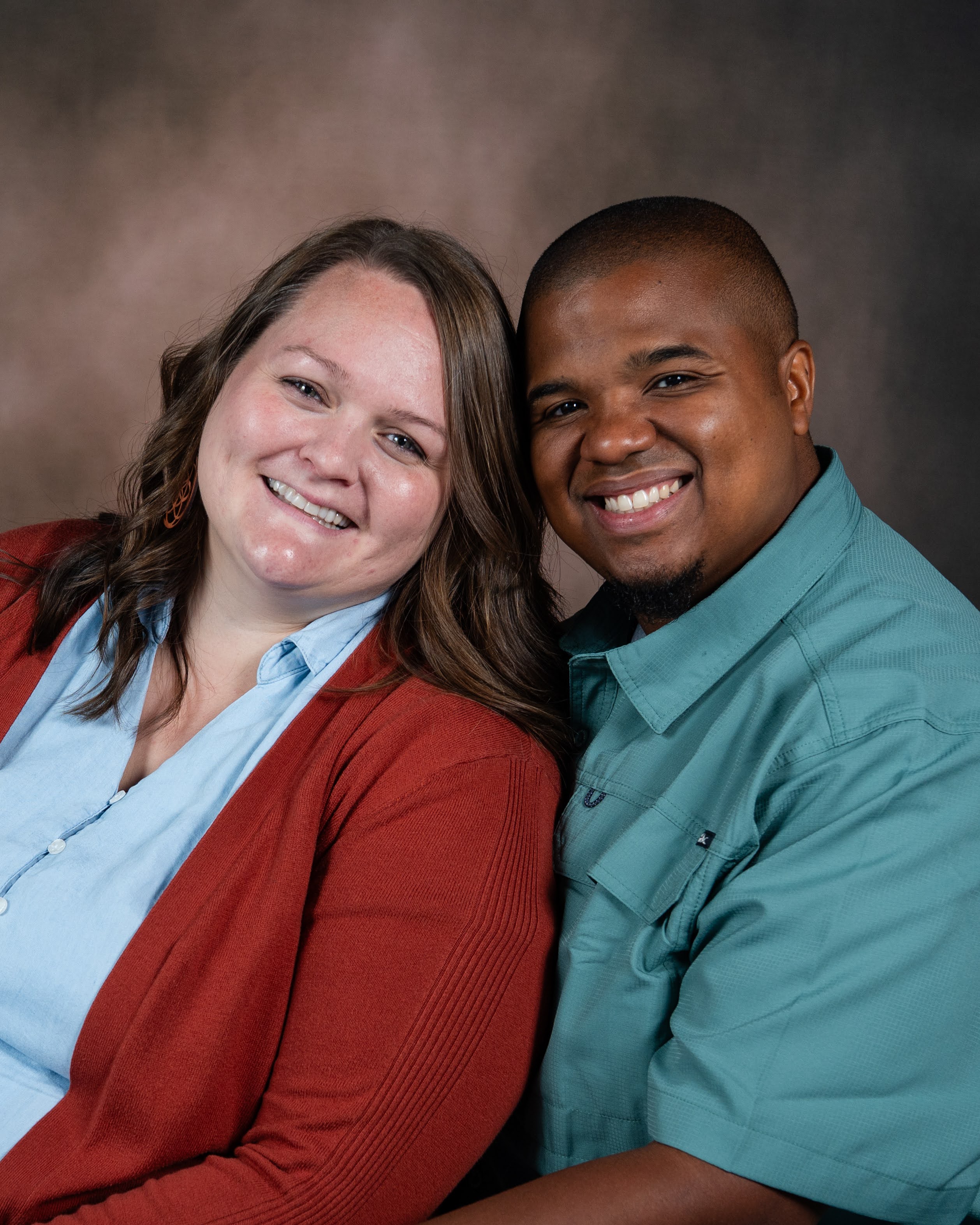
Will serves as the Lead Pastor of Reconcile Community Church. He lives in Greenville, S.C. with his wife Becca and their three children. Jesus saved Will when he was 14 years old. He grew up in Greenville and graduated from North Greenville University with a degree in Interdisciplinary Studies and has been preaching and teaching the Bible for over 10 years. After serving in East Asia as missionaries, Will and Becca moved back to Greenville to plant Reconcile Community Church.